


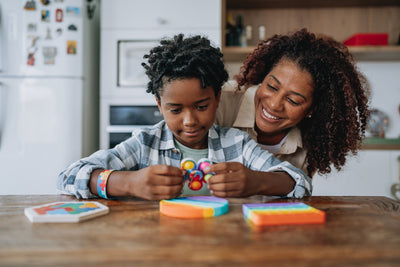


Yes, you can teach life skills to autistic teens using proven methods like breaking tasks into small steps, using visual aids, and practicing in real settings. This guide shows you exactly how to help your teen learn important skills for daily life, work, and independence.
Teaching life skills to autistic teens is one of the most important things you can do as a parent or caregiver. These skills help your teen take care of themselves, get a job, and live more on their own as they grow into adults. The good news is that with the right tools and patience, every teen can learn and grow.
In this article, you'll learn simple ways to teach life skills. We'll talk about what skills matter most, how to break them down into easy steps, and how to use tools that really work. You'll also find tips for handling challenges and making learning fun.
Why Life Skills Matter for Autistic Teens
Life skills are the everyday tasks we all need to do. Things like brushing teeth, making food, doing laundry, and talking to others. For most teens, these skills come naturally over time. But autistic teens often need clear teaching and more practice to learn them.
Research shows that many autistic young adults struggle with living on their own, with only 5% living independently. This is why starting early matters so much. When you teach life skills during the teen years, you give your child the best chance at a happy, independent life.
Life skills help teens in many ways:
- They can take care of their body and health
- They feel good about what they can do
- They can get and keep a job
- They can make friends and talk to people
- They have more choices in life
The Challenge of Executive Function
Many autistic teens have trouble with something called executive function. This means they might struggle with planning, organizing tasks, and managing their time. A simple task like "clean your room" can feel too big and confusing.
Think of it this way: if someone told you to "fix the car" but you've never learned about cars, you wouldn't know where to start. That's how many everyday tasks feel to autistic teens. They need a clear plan that shows each small step.
Getting Started: Pick the Right Skills to Teach
Before you start teaching, you need to know what to teach. Every teen is different. What your teen needs to learn depends on their age, what they can already do, and what they want to do in the future.
Make a Skills List
Here are some important life skill areas to think about:
Self-Care Skills:
- Taking a shower or bath
- Brushing teeth
- Using deodorant
- Washing face
- Shaving
- Managing periods
- Picking clean clothes
- Getting dressed
Home Living Skills:
- Making simple meals
- Using the microwave or stove
- Washing dishes
- Doing laundry
- Cleaning their room
- Taking out trash
- Making their bed
Money Skills:
- Knowing coins and bills
- Counting money
- Making purchases at stores
- Understanding prices
- Using a debit card
- Saving money
Social and Communication Skills:
- Saying hello and goodbye
- Asking for help
- Making eye contact (if comfortable)
- Taking turns in conversation
- Understanding personal space
- Making friends
- Handling disagreements
Safety Skills:
- Knowing what to do in an emergency
- Understanding stranger danger
- Fire safety
- Crossing streets safely
- Internet safety
Work Skills:
- Following directions
- Showing up on time
- Asking questions at work
- Working with others
- Staying focused on a task
Think About Age-Appropriate Skills
It's helpful to think about which everyday skills your teen would be expected to learn at their age if they were neurotypical. A 14-year-old should know different skills than an 18-year-old.
Start with what your teen can almost do. If they can brush their teeth but forget some steps, work on that. If they've never made food before, start with something very simple like making toast.
You can find ready-made checklists online grouped by age. Just remember that your teen might do better with skills that match their developmental age, not just their actual age.
The Best Methods for Teaching Life Skills
Now let's talk about how to teach. There are proven ways that work really well for autistic teens. These methods have been studied by researchers and used by teachers and therapists for years.
Break Tasks Into Small Steps (Task Analysis)
Task analysis is a process that breaks down complex activities into a series of simple steps that students are able to learn more easily. This is your most powerful tool.
Here's how it works:
- Pick a skill to teach (like washing hands)
- Do the task yourself and write down every single step
- Make each step very clear and simple
- Teach one or a few steps at a time
Example: Washing Hands
- Turn on the water
- Put your hands under the water
- Push the soap button
- Rub your hands together for 20 seconds
- Put your hands back under the water
- Turn off the water
- Pick up the towel
- Dry your hands
- Hang up the towel
You might think "that's too many steps!" But for an autistic teen, this clarity helps a lot. They know exactly what to do and in what order.
Use Chaining Methods
Once you have your task broken down, you can use something called "chaining" to teach it. There are three types:
Forward Chaining: Forward chaining involves teaching the sequence beginning with the first step. You teach step 1 until your teen has it down. Then you teach step 2. Then step 3. You keep going until they can do the whole task.
This works well when the first steps are easy and build confidence.
Backward Chaining: In backward chaining, the sequence is taught beginning with the last step. You do all the steps except the last one. Your teen does only the last step. Once they master that, you have them do the last two steps. You keep working backwards.
This is great because your teen gets to finish the task right away. They feel the success of completing something. Often the most rewarding thing about a job or task is getting it finished.
Example of Backward Chaining for Laundry:
- Week 1: You do everything. Teen takes clothes out of dryer and folds them.
- Week 2: Teen moves clothes to dryer, dries them, and folds them.
- Week 3: Teen adds soap, washes, dries, and folds.
- Week 4: Teen does the whole thing from sorting dirty clothes to folding clean ones.
Total Task Chaining: Using this strategy, the entire skill is taught and support is provided or accommodations made for steps that are problematic. Your teen tries the whole task with your help. You give more help on hard steps and less help on easy steps.
This works when your teen can handle doing more at once and likes seeing the big picture.
Practice in Real Settings
The best way to learn a skill is through repetition. But practicing at home isn't enough. Your teen needs to practice in real places where they'll actually use the skill.
If you're teaching money skills, practice at home with real dollars and coins. Then go to an actual store and have your teen buy something. Life skills training should occur in natural environments where the skills being taught relate directly to the type of environment in which the individual is going to live.
Practice Tips:
- Start small in safe places
- Practice the same skill in different locations
- Let your teen make mistakes (that's how we learn)
- Celebrate every small win
- Practice often until it becomes automatic
For more guidance on building routines and habits, explore how it works with structured programs designed for neurodiverse individuals.
Using Visual Supports That Really Work
Most autistic people are visual learners. Visual supports provide a visual reference that can be used as often as needed, and can support people on the autism spectrum with skill development, communication and increased independence.
Types of Visual Supports
Checklists: The simplest and often the best. Make a checklist of steps for any task. Your teen can check off each step as they do it.
You can post a morning routine checklist in the bathroom. List things like:
- Take a shower
- Brush teeth
- Put on deodorant
- Comb hair
- Get dressed
Picture Schedules: Use photos or drawings to show what to do. This works great for teens who don't read well yet or who understand pictures faster than words.
Take photos of your teen doing each step of a task. Print them out in order. Your teen can look at the photos to remember what comes next.
Visual Timers: These show how much time is left for a task. They help with time management and reduce anxiety about when something will end.
Video Modeling: Video modeling is a method for teaching daily living skills that provides a visual recorded example of how to perform the targeted skill. You can make a video of someone doing the task. Your teen watches it and then tries to copy what they saw.
This works really well because your teen can watch the video as many times as they need. They can pause it after each step.
Making Visual Supports Work
Keep these tips in mind:
- Make them simple and clear
- Use them every single time at first
- Put them where your teen will see them
- Update them as skills improve
- Let your teen help create them
Check out products for autism and neurodiverse individuals that include visual support tools and habit-building technology.
Teaching Specific Life Skills Step by Step
Let's look at how to teach some of the most important skills.
Teaching Personal Hygiene
Teens need to learn to take care of their bodies. This becomes extra important during puberty when hormones change.
Entering adolescence and beginning puberty can bring many changes for a teen with autism, so this is an important time to introduce many hygiene and self-care skills.
Start Simple: Pick one hygiene skill at a time. Don't try to teach everything at once.
Create a Bathroom Kit: Put together a hygiene "kit" to keep everything your teen needs in one place. This could be a basket or box with:
- Shampoo and soap
- Toothbrush and toothpaste
- Deodorant
- Hairbrush or comb
- Any other personal items
Having everything in one spot makes the routine easier.
Use a Daily Checklist: Post a checklist on the bathroom mirror or door. Make it part of the morning and evening routine.
Practice Each Step: If your teen struggles with a specific step, practice just that step. For example, if they can't remember to use deodorant, focus only on that for a week.
Teaching Cooking and Meal Prep
Cooking empowers children with autism to become more independent and develop essential life skills. It also teaches planning, following directions, and measuring.
Start Very Simple:
- Opening a package of crackers
- Pouring cereal
- Making a sandwich
- Using the microwave for ready-made food
Build Up Slowly: Once your teen masters simple tasks, try:
- Making toast
- Scrambling eggs
- Heating soup
- Following a simple recipe
Safety First: Teach kitchen safety before anything else:
- How to turn the stove on and off
- Not touching hot surfaces
- Using oven mitts
- Keeping hands dry around electricity
- What to do if there's a fire
Involve Your Teen in Meal Planning: Let them pick one meal a week to make. Go shopping together for ingredients. This teaches multiple skills at once.
Teaching Money Management
Money will always be a part of their life, especially as they grow into adulthood. Money skills open up independence.
Start With Identification:
- Learn what each coin and bill looks like
- Know how much each one is worth
- Sort coins and bills
- Count money
Practice at Home: Set up a pretend store at home. Use real money. Let your teen "buy" things from you. This makes it fun and safe to practice.
Move to Real Shopping: Start with small purchases:
- Buying a snack at a convenience store
- Getting lunch at a fast food place
- Buying one item at a grocery store
Stand back and let your teen handle the transaction. Help only if they get stuck.
Teach the "Dollar Up" Method: This is a simple way to pay. If something costs $3.47, your teen gives a $4 bill. They don't have to count exact change. The cashier gives back change.
Introduce Banking: When your teen is ready, teach them about:
- Using a debit card
- Checking a bank account
- ATM machines
- Saving money
Find resources about state funding that may help support life skills programs.
Teaching Laundry Skills
Doing laundry is a must-have skill for independent living.
Break It Down:
- Sort clothes by color
- Put clothes in washer
- Add detergent
- Set the wash cycle
- Start the washer
- Wait for it to finish
- Move clothes to dryer
- Set dryer
- Start dryer
- Wait for it to finish
- Take clothes out
- Fold or hang clothes
- Put clothes away
Use Timers and Reminders: A timer or an alarm can signal it's time to move clean clothes from the washer to the dryer. This helps with the executive function challenge of remembering what to do next.
Color-Code It: Put colored tape on washing machine dials. Mark the settings you want your teen to use. This makes it easier to know what to choose.
Teaching Social and Communication Skills
Social skills can be the hardest to teach because they're less concrete. But they're super important for jobs, friendships, and safety.
Use Social Stories: Use visual aids, social stories, games and role-playing activities to teach communication skills like taking turns, asking for help and expressing feelings.
A social story is a short story that explains a social situation. It tells your teen what to expect and what to do.
Example Social Story: Asking for Help at a Store "Sometimes I go to stores. If I can't find something, I can ask for help. I look for someone who works there. They usually wear a name tag. I say 'Excuse me, can you help me find ___?' They will show me where it is. I say 'Thank you.' This is OK to do."
Practice Real Conversations:
- Role-play common situations at home
- Practice greeting people
- Work on asking and answering questions
- Record conversations and watch them together
- Talk about what went well
Join Groups Based on Interests: Being around peers who share their passion can ease social anxiety and give them a natural conversation starter. If your teen loves computers, find a coding club. If they like art, try an art class.
MapHabit offers solutions for individuals that support social skill development and communication.
Teaching Work and Job Skills
Starting at age 14, your child should have vocational skills included on his or her IEP as a part of an individualized transition plan.
Basic Work Skills Include:
- Showing up on time
- Following a schedule
- Following directions
- Asking questions when confused
- Working without constant supervision
- Getting along with coworkers
- Staying on task
Practice at Home: Give your teen regular chores with deadlines. Treat it like a job. They need to complete the task on time and do it well.
Try Community-Based Work: Community-based instruction was beneficial, as it provided opportunities for autistic individuals to practice and generalize previously acquired skills on job sites. Look for:
- Volunteer opportunities
- Internships
- Job shadowing
- Part-time work in supportive settings
Create a Skills List: Write down your teen's strengths and interests. Use this to guide what type of work training to focus on. If your teen loves animals, maybe a pet store. If they love organizing, maybe stocking shelves.
Creating Daily Routines That Stick
Routines are the backbone of learning life skills. They make tasks automatic over time.
Why Routines Help
It is also recommended that you help your child practice the skills you're focusing on in a variety of ways. Routines provide:
- Predictability (less anxiety)
- Structure (easier to remember)
- Consistency (faster learning)
- Independence (less need for prompting)
Building a Morning Routine
Start your day with a clear routine:
- Wake up at the same time
- Use the bathroom
- Take a shower
- Get dressed
- Eat breakfast
- Brush teeth
- Pack backpack or bag
- Leave for school or activity
Put this on a visual schedule. After a few weeks, your teen will do many steps without being reminded.
Building an Evening Routine
End the day with structure:
- Eat dinner
- Clean up dishes
- Homework or free time
- Pack tomorrow's items
- Take a shower (if not done in morning)
- Brush teeth
- Get pajamas on
- Set alarm for morning
- Go to bed at set time
Using the First-Then Method
For example, first we do math, then you can (let the child choose between 2 or 3 things they like to do). This teaches your teen that they can do hard things and good things come after.
"First laundry, then video games." "First homework, then YouTube." "First brush teeth, then read."
Handling Challenges and Setbacks
Teaching life skills isn't always easy. You'll face challenges. That's normal and OK.
When Progress Is Slow
Some skills take a long time to learn. Many people learn life skills through passive watching, imitation, or practicing a few times. Individuals with autism often need explicit instruction with many more repetitions.
If progress feels slow:
- Break steps down even smaller
- Practice more often
- Try a different teaching method
- Celebrate tiny improvements
- Take breaks when needed
- Remember this is a marathon, not a sprint
When Your Teen Resists
Sometimes teens don't want to learn a new skill. They might:
- Refuse to try
- Get upset or frustrated
- Say "I can't" or "I don't want to"
Try these strategies:
- Find out why they're resisting (is it too hard? scary? boring?)
- Connect the skill to something they want (you need to do laundry to have clean clothes for the concert)
- Make it more fun (play music during cleaning, race against a timer)
- Give choices (do you want to learn to make toast or cereal first?)
- Take a break and try again later
When Skills Don't Generalize
Failure to generalize skills: teaching skills in one context can lead to difficulties applying them elsewhere. Your teen might do great washing hands at home but not know what to do at school or a restaurant.
Fix this by:
- Practicing in many different places
- Using the same visual supports in all settings
- Pointing out similarities between settings
- Practicing with different people
Dealing With Sensory Issues
Many autistic teens have sensory sensitivities. Certain textures, smells, sounds, or feelings might make tasks harder.
Common Sensory Challenges:
- Don't like water on their face
- Can't stand certain food textures
- Hate loud sounds like the vacuum
- Don't like tags in clothes
Solutions:
- Make accommodations when possible (use a washcloth for face instead of splashing)
- Gradually introduce difficult sensations in small doses
- Use sensory-friendly products (tagless clothes, unscented soap)
- Let your teen wear noise-canceling headphones for loud tasks
Working With Your Teen's School and IEP
School is a key partner in teaching life skills.
What Is an IEP?
An IEP is an Individualized Education Program. It's a legal document that spells out what help your child gets at school. One of the core objectives of IDEA is to prepare students for life after high school. Specifically, further education, employment, and independent living.
Transition Planning Starts at Age 14
IEP transition services fulfill this objective, and the law requires them to begin the year your child turns 16 years old. However, Once students are 14, their IEPs will start addressing their goals beyond high school through secondary transition components.
This is when schools must start planning for your teen's life after high school.
What to Include in the IEP
Make sure the IEP includes:
- Life skills goals
- Vocational training
- Community-based instruction
- Social skills training
- Independent living goals
Participants expressed concerns related to inappropriate and sometimes inadequate goals without consideration of functional skills needed to meet postsecondary education or employment goals. Don't be afraid to speak up and ask for what your teen needs.
Be Specific About Goals
Instead of vague goals like "improve independence," push for specific ones:
- "Student will independently make a sandwich with 80% accuracy by end of semester"
- "Student will use a visual schedule to complete morning routine with only 1 verbal prompt"
- "Student will purchase 3 items at a store using correct money 4 out of 5 times"
Learn more about care partner training programs that can support your teen's goals.
Building on Strengths and Interests
Every teen has things they're good at and things they love. Use these as bridges to other skills.
Find the Strengths
Incorporate strengths into activities: Whenever possible, use their interests as a bridge to develop other skills.
Does your teen:
- Love computers? Use cooking videos to teach cooking.
- Like organizing? Have them organize the pantry or garage.
- Enjoy animals? Practice social skills at a pet shelter.
- Love music? Play songs during chore time.
Make Learning Relevant
Teens learn better when they see why something matters. Connect skills to their goals and interests.
If your teen wants to go to college, talk about how laundry skills will help them in a dorm. If they want a job at a game store, practice customer service skills. If they want their own apartment someday, teach all the skills needed for that.
Celebrate What Makes Them Different
Help them take pride in what makes them different. By reinforcing that their differences are also strengths, you build a foundation of self-esteem.
Being autistic means your teen thinks differently. They might:
- Notice details others miss
- Have an amazing memory for facts
- Be very honest and loyal
- Focus deeply on things they care about
These are gifts, not problems.
Using Technology and Apps
Technology can be a huge help in teaching life skills.
Helpful Tools
Visual Schedule Apps: Apps can show your teen their daily schedule with pictures and reminders.
Timer Apps: Visual timers help with time management and transitions.
Video Modeling Apps: Some apps have pre-made videos showing how to do common tasks.
Money Apps: Practice counting money and making change digitally.
Reminder Apps: Set up phone reminders for tasks and appointments.
MapHabit provides technology designed specifically for neurodiverse individuals. Explore products for individuals that use visual support and habit-building features.
Balance Tech and Real Life
Technology is helpful, but your teen still needs to practice in real life. Use apps to learn and plan. Then practice the actual skill without technology.
Getting Support From Others
You don't have to do this alone. Build a team around your teen.
Types of Support
Therapists:
- Occupational therapists teach daily living skills
- Speech therapists work on communication
- ABA therapists use behavior strategies
Teachers and Special Education Staff: School staff can reinforce skills during the school day.
Family Members: Siblings, grandparents, and other relatives can help practice skills.
Community Programs: Look for life skills programs, social groups, and recreational activities in your area.
Support for You
Teaching life skills is hard work. Make sure you take care of yourself too:
- Join a parent support group
- Take breaks when you need them
- Celebrate your own efforts
- Ask for help when overwhelmed
- Remember that progress counts, even when it's small
Visit about us to learn more about organizations supporting families of individuals with autism.
Measuring Progress and Celebrating Success
Keep track of what your teen learns. This helps you see progress even when it feels slow.
Track Skills
Make a simple chart:
- List the skills you're working on
- Mark when your teen can do each step independently
- Note when they master the whole skill
- Update the chart weekly or monthly
Celebrate Every Win
Progress isn't always big and obvious. Celebrate small wins:
- "You remembered to use soap today!"
- "You asked for help when you needed it!"
- "You folded three shirts by yourself!"
Positive feedback builds confidence and motivation.
Don't Compare
Every teen learns at their own pace. Don't compare your teen to:
- Their siblings
- Other autistic teens
- Neurotypical teens
- Where you think they "should" be
Compare your teen only to themselves. Are they doing more than they could last month? Last year? That's what matters.
Planning for the Future
As your teen gets older, think about what life after high school will look like.
Living Arrangements
What types of supports does your child need in order to live as independently as possible in the future? Options might include having roommates, having assistants available, arranging group living, or living at home.
Start planning years in advance. Visit different living situations. Talk with your teen about what they want.
Employment Options
Working enables individuals with autism to earn their own money, gain positive self-esteem and recognize their worth in society.
Think about:
- What jobs match your teen's interests and skills
- Whether your teen needs a job coach
- Full-time vs. part-time work
- Supported employment programs
Continuing Education
Some autistic teens go to:
- Community college
- Vocational training programs
- College programs with support services
- Certificate programs
Research options early. Look for programs with autism support.
Legal Matters
When your teen turns 18, they legally become an adult. Think about:
- Whether guardianship or conservatorship is needed
- Power of attorney
- Healthcare decisions
- Financial management
Talk to a lawyer who knows disability law.
Explore state waiver programs that may provide funding for adult services.
Final Thoughts
Teaching life skills to your autistic teen is one of the most important gifts you can give. It takes time, patience, and creativity. But every skill your teen learns opens new doors and possibilities.
Remember these key points:
Start where your teen is right now, not where you think they should be. Break every task into small, clear steps. Use visual supports to make learning easier. Practice skills in real settings, not just at home. Build daily routines that create structure. Celebrate small progress and be patient with setbacks.
Your teen can learn and grow. With your support and the right methods, they can gain independence and confidence. Some skills might take longer than you'd like. Some might need to be taught in different ways. That's OK. Keep going. Keep trying new approaches. Keep believing in your teen.
You're not just teaching skills. You're building your teen's future. Every time they successfully brush their teeth alone, make their own lunch, or have a good conversation, they're one step closer to the independent life they deserve.
If you need more support, reach out to professionals, join parent groups, and use programs designed for autistic individuals. Tools like MapHabit's tablet products can provide additional visual support and structure for daily life skills.
Your patience and dedication will pay off. Trust the process. Trust your teen. And give yourself credit for doing this important work. You've got this.